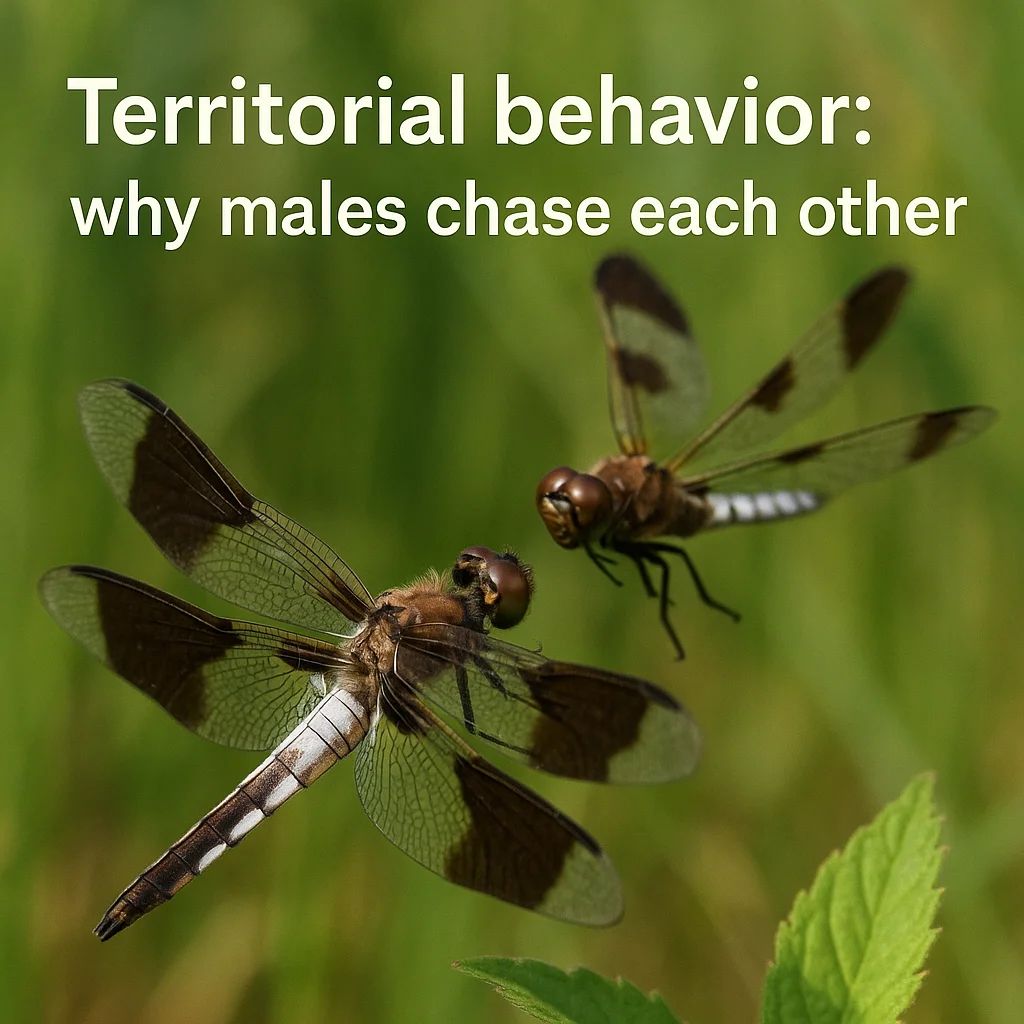
🕷️ Territorial behavior: why males chase each other
🧾 Quick Facts
Many insects exhibit territorial behavior, particularly male individuals, which often chase each other to establish dominance and secure mating opportunities. This guide provides insights into this fascinating behavior, highlighting common characteristics and variations across species.
- Common Names: Territorial insects (general term)
- Scientific Name: Varies by species
- Insect Status: Invertebrate (insects and arthropods)
- Order/Family: Varies widely
- Typical Size Range: 0.5 cm to 10 cm (varies by species)
- Key Colors/Patterns: Varies, often cryptic or camouflaged
- Activity: Mostly diurnal, varies by species
- Typical Habitats: Forests, grasslands, wetlands, gardens
- Geographic Distribution: Worldwide, in diverse ecosystems
- Seasonality: Varies by species; often spring and summer
🔍 Identification
Territorial insects can be challenging to identify due to the wide range of species exhibiting this behavior. However, some general features can aid in identification.
- Body Shape and Silhouette: Body shapes vary significantly, but most have streamlined bodies well-suited for chasing rivals.
- Antennae Type: Often long and sensitive, used for detecting rivals and mates.
- Wing Features: Wings can be membranous or hardened, depending on the species, often exhibiting rapid and agile flight.
- Leg Traits and Movement Style: Legs are often long and strong, aiding in quick movements and perch-holding.
- Distinguishing Look-Alikes: Pay attention to activity patterns; territorial insects often exhibit chasing and display flights.
- Look for active chasing or combat in males.
- Note wing and body pattern during flight displays.
- Observe habitats—common in open, sunlit areas.
- Check for visual and auditory signals used in displays.
- Observe antennae structure for species clues.
- Identify presence in known regions and typical habitats.
🧠 Basic Body Structure
As with all insects, territorial insects have a three-part body plan comprising the head, thorax, and abdomen. These include six legs and an exoskeleton that provides protection and structural support.
Insects are invertebrates, meaning they lack a backbone. They may possess wings, which are crucial for the territorial displays of many species. Molting occurs as they grow, particularly in juvenile stages.
🌍 Habitat & Distribution
Territorial insects inhabit a wide range of environments, from dense forests and grasslands to wetlands and urban gardens. Microhabitats vary and may include leaf litter, flower fields, and tree bark crevices.
The geographic range of territorial insects is extensive, occurring on all continents except Antarctica. Favorable climates include temperate and tropical zones, where conditions are conducive to high activity levels and sufficient food availability.
Alterations in habitat, due to human activities or climate changes, can affect local populations, making sightings less frequent in disturbed areas.
📅 Seasonal Appearance & Activity
Insects displaying territorial behavior are most often observed during warmer months, aligning with their mating seasons. Diurnal activity is common, though some engage in territorial displays at dawn or dusk.
Weather conditions, including temperature and humidity levels, can significantly influence their visibility and behavior.
- Spring and summer heighten observation chances.
- Best viewed in the morning or late afternoon.
- Most visible in mild and sunny weather.
- Activity decreases during heavy rain or winds.
🥚 Reproduction & Egg-Laying
Territorial behavior is closely tied to mating strategies. Males often compete fiercely for access to females, using chases and other displays to establish superiority.
Egg-laying locations vary significantly among species, with some preferring plant materials while others might use soil or wood. Egg counts also vary, ranging from a few dozen to several hundred, depending on species and environmental conditions.
🌀 Metamorphosis & Life Cycle
Territorial insects typically undergo either complete or incomplete metamorphosis.
Insects with complete metamorphosis experience four life stages: egg, larva (or caterpillar/nymph), pupa (or chrysalis), and adult. Species with incomplete metamorphosis progress through egg, nymph, and adult stages. The duration of each stage can vary considerably based on environmental conditions and species.
🍽️ Diet & Feeding Behavior
The diet of territorial insects varies by life stage. Larval stages often have different feeding habits compared to adults. Chewing mouthparts are common, aiding in consuming leaves or other plant parts, whereas some may have piercing-sucking mouthparts for sap or nectar.
These insects serve as herbivores, predators, or even scavengers depending on the species, playing crucial roles in ecosystems as pollinators or pest controllers.
🦉 Predators & Defense
Predators of territorial insects include birds, amphibians, reptiles, spiders, and mammals. To defend against these threats, they often use camouflage, mimicry, rapid flight, or even biting as protection.
- Effective camouflage blending with the environment.
- Use of mimicry to appear like more threatening species.
- Rapid escape flights during predator encounters.
- Mobilization of chemical defenses in some species.
👥 Social Behavior & Swarms
Territorial insects are often considered solitary, focusing on individual successes in mating, which drives encounters. However, in certain circumstances, mass gatherings can occur, triggered by optimal conditions for mating or resource abundance.
Swarming behavior in some species is prompted by temperature or resource availability, often resulting in large-scale flights or migrations.
🧭 Senses & Communication
Insects rely on acute senses for successful territorial interactions. Vision is crucial for spotting rivals or mates. Pheromones play a significant role in communication, enabling individuals to scent mark territories or attract mates.
Additional communication methods can include auditory signals like stridulation and visual displays to assert dominance or readiness to mate.
🌱 Role in the Ecosystem
These insects positively impact ecosystems by participating in pollination, aiding in plant reproduction, and acting as both prey and predator within food webs.
Relationships with plants often involve mutualistic interactions, while interactions with other species vary from predatory to symbiotic. Their presence helps maintain ecological balance by controlling pest populations.
📉 Population & Conservation Notes
While many territorial insects thrive in their natural habitats, others face threats due to habitat destruction, pesticide use, and climate impacts. Population data are often limited and vary regionally.
- Plant native plants to support habitats.
- Avoid using pesticides in gardens.
- Leave areas of wild, undisturbed vegetation.
- Provide education on insect importance in schools.
⚠️ Human Interaction & Safety
Territorial insects seldom pose threats to humans. Although some may bite if provoked, these instances are rare. If a bite or sting occurs, washing the area and seeking professional advice if a severe reaction develops is advisable.
Observing these insects respectfully without disturbing their natural habitats contributes to conservation efforts and promotes education on their role in biodiversity.
📌 Summary
- Territorial behavior is widespread among male insects.
- Identification involves observing activity and display behaviors.
- Found in diverse habitats globally, primarily in warm months.
- Complex life cycles with complete or incomplete metamorphosis.
- Diets include plant materials and small prey; roles vary.
- Defense mechanisms include camouflage and mimicry.
- Play critical ecological roles in pollination and pest control.
- Population threats include habitat loss and pesticides.